Closed-loop payment system: tap the card, pay from the balance.
sipnik Card: a closed-loop prepaid NFC card in your brand's name. It works only at your venue; one tap to pay at a hotel, campsite, festival, municipal facility or dining hall.
- Closed-loop prepaid card
- NFC at the till and on the waiter's tablet
- Top up at kiosks and in the app
One card inside your venue.

Hotels, resorts and beach clubs
One card at the restaurant, the bar, the pool and the sunbed; many points of sale, one balance.

Campsites
Personalised cards for guests and staff; cashless spending at the shop, café and restaurant.

Festival and concert grounds
Cashless payments at every food and drink point on site.

Water and theme parks
Guests pay by card everywhere all day; no cash needed.

Municipal facilities
A city card in the municipality's name works at municipal facilities; it can also be a social support card.

School canteens and dining halls
A personalised, closed-loop prepaid card for students and staff.
Where is the card tapped?

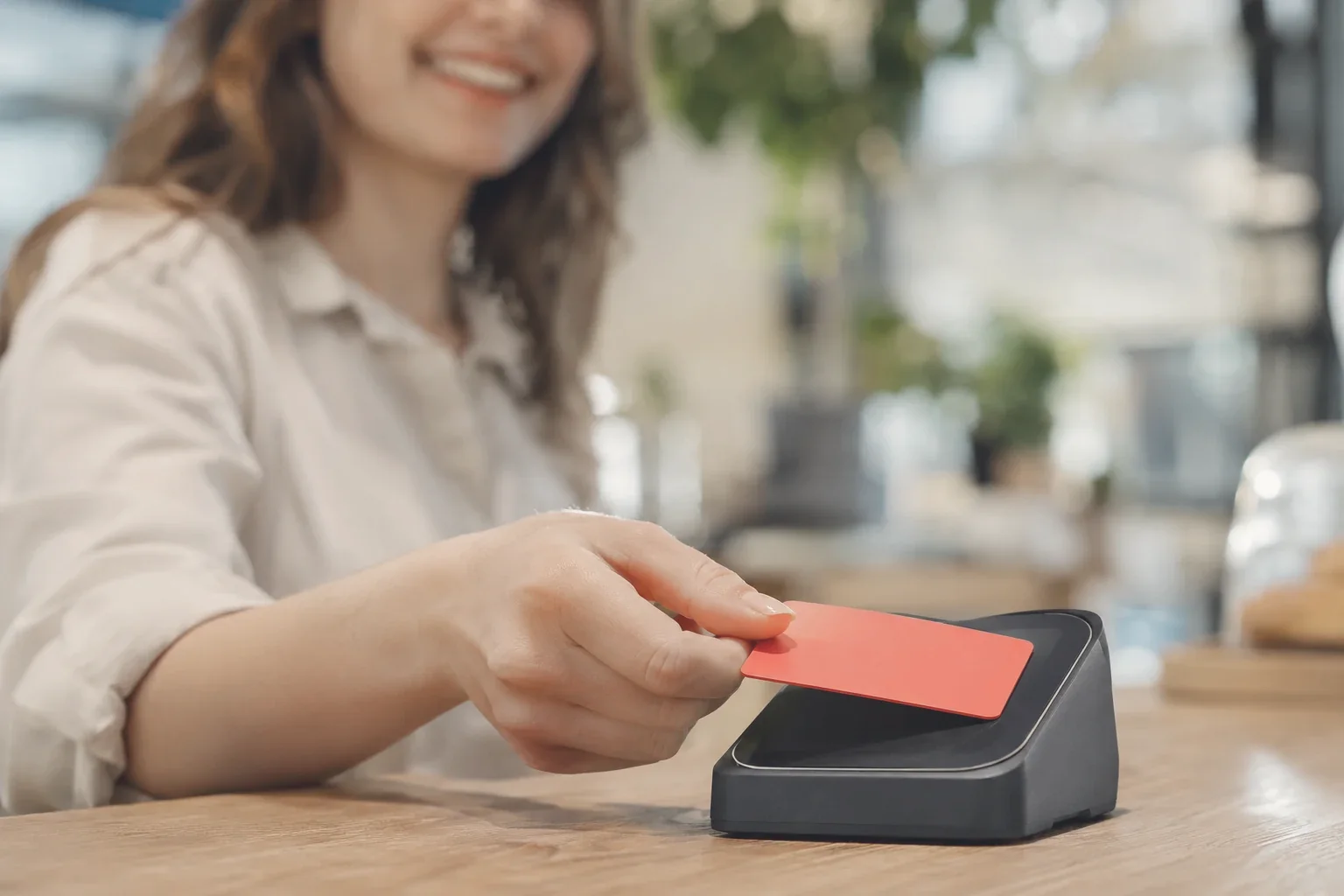
Tap on sipnik Kasa
The card is tapped on sipnik Kasa and the amount comes off the balance. Card payments sit on the same screen as cash and bank cards.
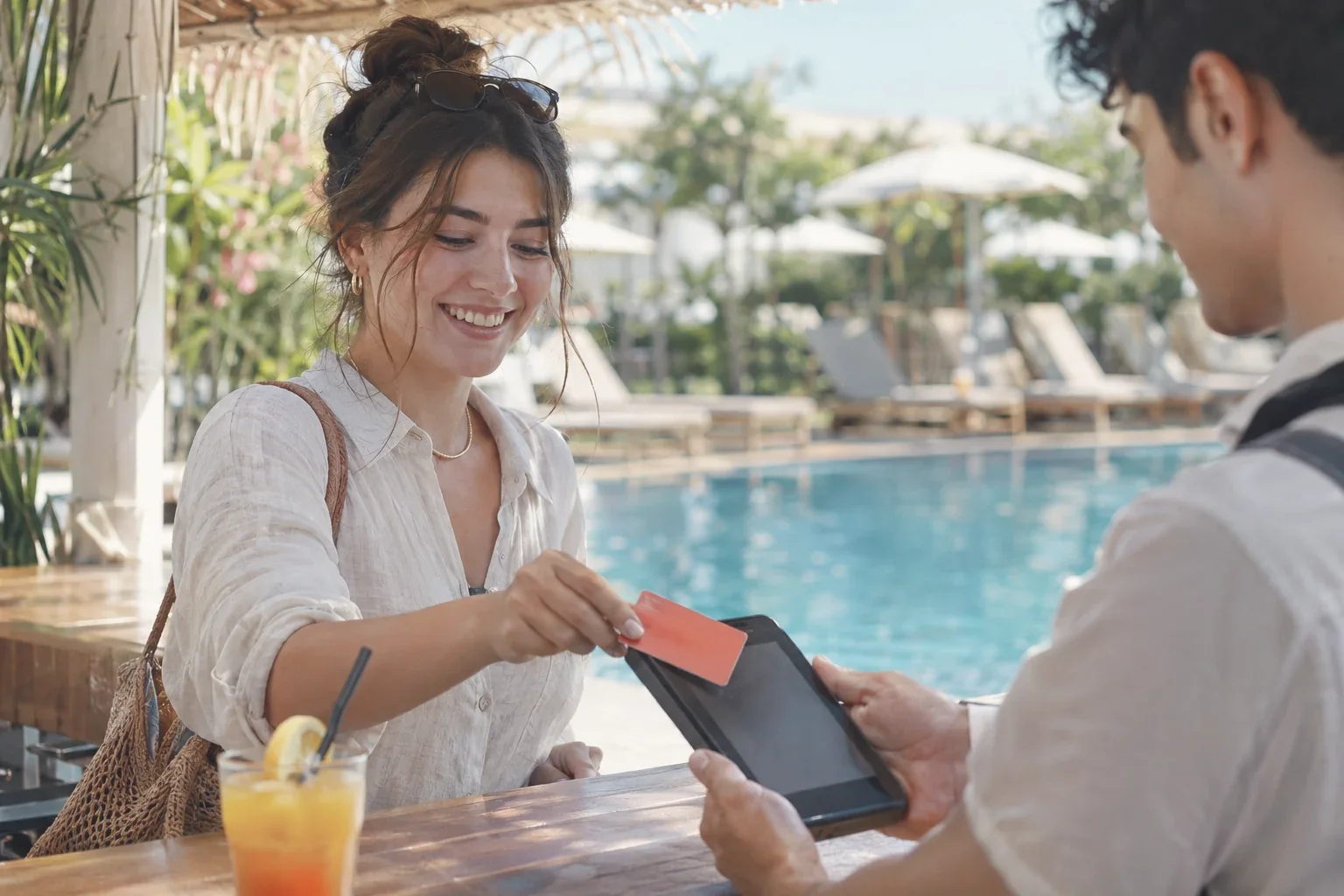
Pay at the table
The waiter takes the order on the tablet and takes the payment on the same tablet by tapping the card. If the bill is split, everyone taps their own card.
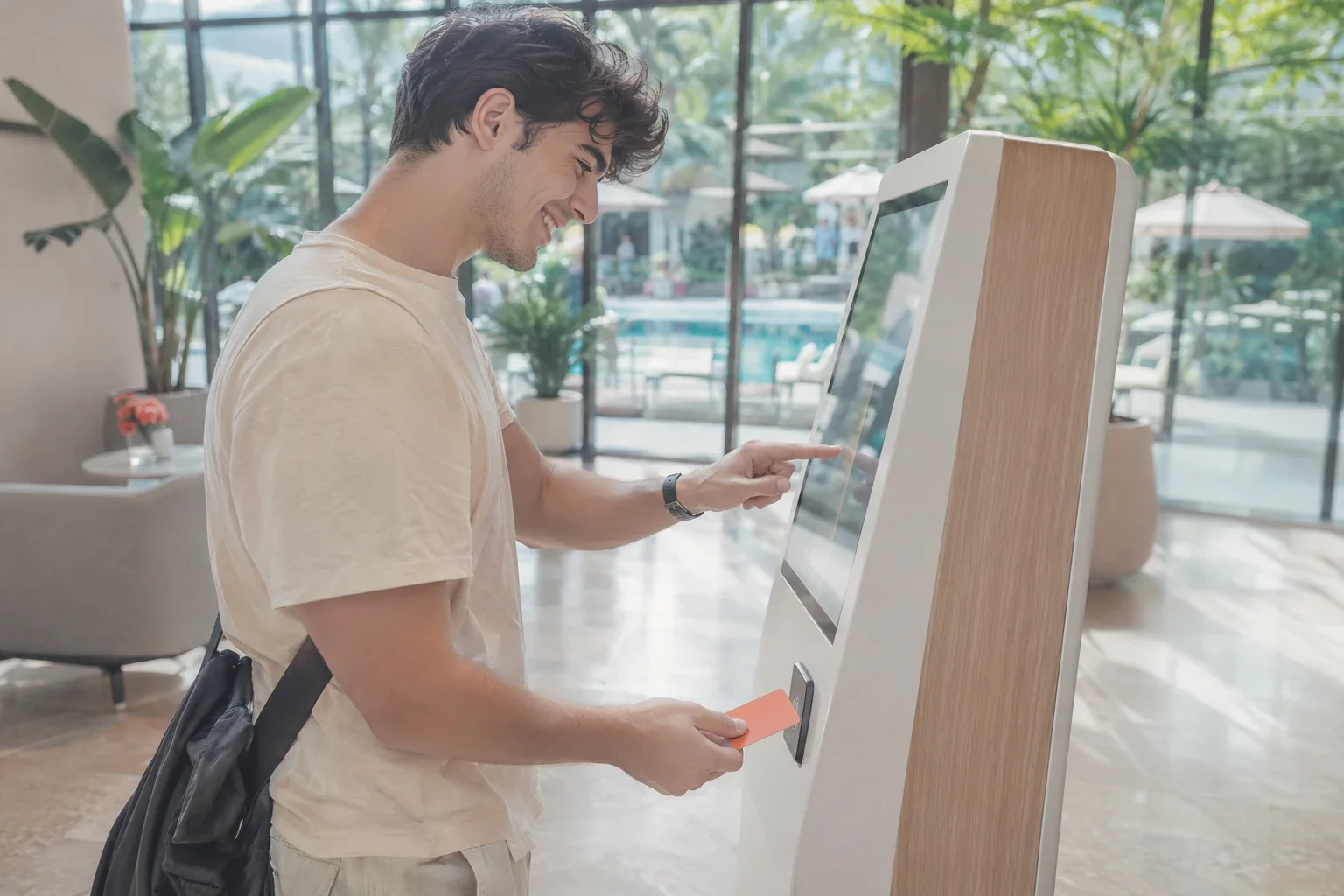
Easy top-ups
The card is topped up at a service point, a kiosk, the mobile app or the website. We decide together which channels to open.
Hand out the card, pay from the balance.
- 1The card is handed outTo guests, staff, students or citizens.
- 2The balance is topped upAt the till, a kiosk, the app or online.
- 3The card is tappedAt the till, on a POS device or on the waiter's tablet.
- 4Every movement is recordedIn the card's history and the sales report.
In-depth guide
What is a closed-loop payment system?
A closed-loop payment system is a way of paying with closed-loop prepaid cards that work only inside one business, venue or organisation. Guests, staff, students or citizens top up their card; they spend by tapping it at the venue's tills, POS devices and waiter tablets. With sipnik Card, the NFC card is read on sipnik Kasa and on the waiter tablet, the amount comes off the balance and every movement is recorded.
How does it work, and who is it for?
In a closed-loop payment system, money stays on the venue's own cards. Cardholders top up their card and pay by tapping it at points of sale inside the venue. The difference from a bank card is that the card works only at that venue. A closed-loop card is not a bank card, and sipnik is not a bank. Combined with NFC payments, paying takes a single tap: at the till, on a POS device or on the waiter's tablet. Below we sum up how sipnik Card works, which sectors it suits and how it differs from sipnik Wallet.
Closed-loop vs bank card payments
With a bank card, every transaction goes through the bank's network and the card can be used anywhere. In a closed loop, the card works only at the venue it is set up for: the balance is topped up once and spending comes off the venue's own system. If a card from another business is tapped, the payment is declined. The card cannot be used anywhere outside the venue.
That is why closed loop suits places where people spend at many points inside one venue: hotels, resorts, beach clubs, campsites, festival and concert grounds, water and theme parks, municipal facilities, school canteens and dining halls.
At hotels, resorts and campsites
Guests receive their card on arrival and top up their balance. They pay with the same card at the restaurant, the bar, by the pool and at the shop; no wallet or cash needed. The waiter takes the order on the waiter tablet and takes the payment on the same tablet by tapping the card; if the bill is split, everyone taps their own card. Orders can also come from the QR menu on the table. At campsites, personalised cards are handed out to guests and staff.
At festivals, concert grounds and water parks
Guests get their card on the way in and pay with it at every food and drink point inside. When the balance runs out, they top up at a kiosk, in the app or at the box office. Cash, change and till shortages across many points of sale drop. More on the festivals and concerts and water and theme parks pages.
At municipal facilities and for social support
A closed-loop card and mobile app in the municipality's name work at the municipality's facilities. In municipal dining halls, the card is used for entry and to track daily meal allowances. With a social support card, the balance loaded for people in need can be spent only at partner points. More on the municipalities page.
School canteens, dining halls and staff cards
Sales are made with personalised, closed-loop prepaid cards handed out to students and staff; the card works only inside the school or organisation. The balance is topped up at a service point, a kiosk, the mobile app or the website; spending comes off by tapping the card in the canteen or dining hall. Every top-up and purchase is written to the card's history.
sipnik Wallet or sipnik Card?
sipnik Wallet lives on the customer's phone: balance, stamps and rewards in the brand's own app; when the QR is scanned at the till, the payment comes off the balance, and the balance works at every branch of the brand. It suits neighbourhood cafés and chains.
sipnik Card is a physical NFC card: for guests who don't carry a phone, pools and beaches, festival grounds, canteens and dining halls. NFC payments on the waiter tablet are available only at businesses using sipnik Card. Let's look together at which one fits you.
Cash and bank cards, or sipnik Card?
| Topic | Cash / bank card | sipnik Card |
|---|---|---|
| When the money arrives | At the time of sale | In advance, as a balance |
| Waiter's collection | Walks to the till and back | The card is tapped at the table |
| Change | Yes | None |
| At the pool or festival | A wallet or phone is carried | One card is enough |
| Splitting the bill | Everyone pays separately | Everyone taps their own card |
| Records | Receipts and end-of-day | Every movement in the card's history |
Last updated: 1 November 2026
Questions
What is a closed-loop payment system?
Paying with closed-loop prepaid cards that work only inside one business or venue. With sipnik Card, the card is read by NFC on sipnik Kasa and on the waiter tablet.
Is the closed-loop card a bank card?
No. It is a closed-loop prepaid card: it works only at your venue and cannot be used anywhere else. sipnik is not a bank.
Which sectors is sipnik Card for?
Places where people spend at many points inside one venue: hotels, resorts, beach clubs, campsites, festival and concert grounds, water and theme parks, municipal facilities, school canteens and dining halls.
Can payments be taken on the waiter tablet by NFC?
Yes, at businesses using sipnik Card: the card is tapped on the tablet and the amount comes off the balance; the bill can also be split.
How is the card topped up?
At the business's service points, a kiosk, the mobile app or the website. We decide together which channels to open.
Does another business's card work at my venue?
No. The card works only at the business it is set up for; a card from another business is declined.
What is the difference between sipnik Wallet and sipnik Card?
sipnik Wallet is an app on the customer's phone, paid by QR at the till. sipnik Card is a physical, closed-loop prepaid NFC card that works only inside the venue.